EN
EN



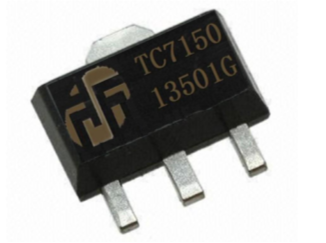
Utilities depend on reliable infrastructure to maintain grid stability and deliver consistent power to millions of customers. A critical but often overlooked component of this infrastructure is the power line communication chip vendor that supplies communication solutions for smart grid systems. These specialized suppliers face unique challenges in maintaining long-term availability, including supply chain complexity, evolving technical standards, and the need for backward compatibility across decades-old utility networks.
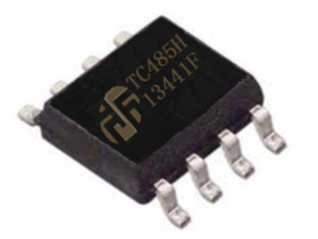
The role of a power line communication chip vendor extends far beyond simply manufacturing components. Utilities demand predictable supply chains, technical continuity, and proven reliability over 20 to 30-year asset lifecycles. A vendor must balance innovation with stability, ensuring that narrowband powerline communication technology standards are met while maintaining inventory reserves and production capacity that align with utility planning cycles.
Strategic Supply Chain Management and Inventory Planning
Forecasting Demand Across Utility Cycles
Utilities operate on long planning horizons, often committing to infrastructure upgrades two to five years in advance. A power line communication chip vendor must develop sophisticated demand forecasting models that account for seasonal variation, regional grid expansion projects, and replacement demand from aging equipment. This requires close collaboration with utility procurement teams and integration into their capital planning processes. Vendors who maintain transparent communication channels and provide multi-year demand visibility significantly reduce supply uncertainty.
Advanced forecasting helps vendors maintain optimal stock levels of power line communication modem chipset specifications without over-investing in inventory. Many successful vendors use predictive analytics to identify demand patterns and allocate production resources accordingly. This approach ensures that when utilities face unplanned outages or accelerated modernization timelines, inventory can be mobilized quickly without disrupting other customer commitments.
Building Redundant Manufacturing Capacity
Long-term availability requires more than one manufacturing location. Leading power line communication chip vendors maintain production facilities across multiple geographic regions, reducing vulnerability to localized disruptions. Redundant capacity allows vendors to continue supplying narrowband powerline communication technology standards even if one facility experiences temporary shutdowns due to maintenance, natural disasters, or supply chain disruptions.
Additionally, vendors establish strategic partnerships with contract manufacturers to supplement internal production capacity. These partnerships are carefully structured to maintain quality standards and technical consistency across all production sources. A vendor's ability to scale production without sacrificing quality or exceeding lead times directly impacts utility confidence and long-term business relationships.
Technical Continuity and Standards Compliance
Maintaining Backward Compatibility Through Design
Utilities cannot easily replace existing infrastructure, meaning new smart grid powerline communication integration solutions must integrate seamlessly with legacy systems deployed decades ago. A power line communication chip vendor must design next-generation products that support both current and historical communication protocols. This backward compatibility requirement influences product roadmaps and necessitates careful architectural planning from the earliest design stages.
Vendors achieve compatibility through modular designs that isolate protocol layers from core processing functions. This approach allows power line communication modem chipset specifications to evolve without breaking connections to older utility equipment still operating in the field. Regular audits of field deployments inform design decisions, ensuring that new versions remain compatible with the widest possible range of utility installations.
Alignment with Evolving Communication Standards
Narrowband powerline communication technology standards continue to evolve, driven by regulatory requirements, cybersecurity needs, and advances in digital communication methods. A responsible power line communication chip vendor actively participates in standards development organizations and contributes to technical committees that shape industry specifications. This involvement ensures that vendor roadmaps align with emerging standards rather than diverging from them unexpectedly.
Vendors also maintain certification programs and regularly submit products for independent testing against current standards. This proactive compliance approach demonstrates commitment to utility requirements and provides documented proof that smart grid powerline communication integration solutions meet or exceed regulatory expectations. Utilities gain confidence knowing that a vendor's products have been rigorously validated against formal specifications.
Quality Assurance and Long-Term Support Commitment
Implementing Rigorous Testing and Reliability Programs
Power line communication modem chipset specifications must deliver exceptional reliability because utility networks operate continuously, 24 hours a day, 365 days a year. A power line communication chip vendor implements accelerated life testing, environmental stress screening, and real-world deployment validation before releasing products. These programs identify potential failure modes early and ensure that chips perform reliably across the temperature, humidity, and electrical noise ranges encountered in utility substations and distribution networks.
Vendors also establish failure analysis processes that investigate any field issues reported by utilities. This systematic approach captures real-world performance data and feeds insights back into future product designs. When utilities see a vendor treating every reported issue with urgency and incorporating lessons into subsequent generations, confidence in long-term availability strengthens significantly.
Providing Extended Technical Support and Documentation
Long-term availability encompasses more than physical supply; it includes sustained technical support and comprehensive documentation. A power line communication chip vendor maintains dedicated support teams familiar with narrowband powerline communication technology standards and the specific challenges utilities face. These teams provide troubleshooting assistance, help optimize smart grid powerline communication integration solutions, and advise on upgrading strategies.
Documentation must remain accurate and accessible throughout the entire lifecycle of a product line, often spanning 25 or more years. Vendors preserve technical specifications, application notes, and design guidelines in formats that remain readable and accessible even as digital technologies change. Some vendors digitize historical documentation and provide searchable archives, making it easier for utilities to reference old designs when maintenance or upgrades are needed.
FAQ
How long does a power line communication chip vendor typically commit to product availability?
Industry practice generally involves commitments of 10 to 25 years, with many vendors extending availability even longer based on customer demand. A power line communication modem chipset specifications may remain in production or available through secure inventory channels well beyond initial projections. Vendors negotiate extended support agreements with utilities that have critical deployments, ensuring predictable supply even as technologies evolve.
What role does narrowband powerline communication technology standards play in vendor availability decisions?
Standards provide a framework that helps vendors plan product lifecycles and communicate compatibility expectations to utilities. When narrowband powerline communication technology standards are stable and widely adopted, vendors can confidently invest in manufacturing capacity and inventory. Conversely, when standards change rapidly, vendors must balance compliance with existing commitments, which can temporarily complicate smart grid powerline communication integration solutions. Transparent communication about standard timelines helps utilities make informed procurement decisions.
Can utilities request custom variants of power line communication modem chipset specifications to ensure long-term supply?
Yes, many vendors offer options to develop or stockpile custom variants designed for specific utility applications. A power line communication chip vendor can negotiate contracts that guarantee production capacity for custom configurations, supporting unique requirements that fall outside standard product lines. These arrangements require advance planning and typically involve minimum order commitments, but they provide utilities with confidence that their specialized needs will be met throughout the planned asset lifecycle.
Table of Contents
- Strategic Supply Chain Management and Inventory Planning
- Technical Continuity and Standards Compliance
- Quality Assurance and Long-Term Support Commitment
-
FAQ
- How long does a power line communication chip vendor typically commit to product availability?
- What role does narrowband powerline communication technology standards play in vendor availability decisions?
- Can utilities request custom variants of power line communication modem chipset specifications to ensure long-term supply?