EN
EN



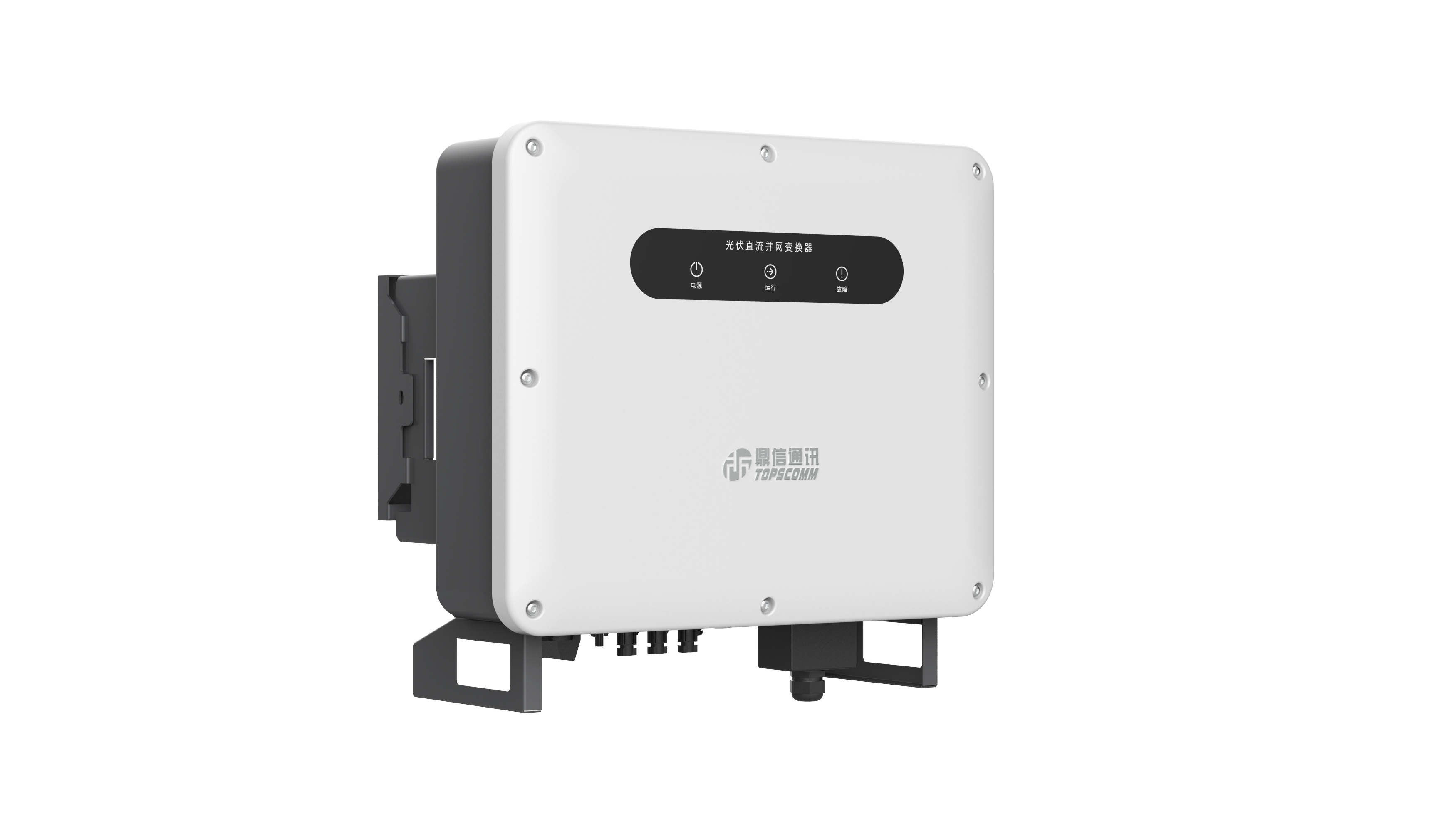
The energy sector is undergoing a fundamental transformation as organizations worldwide accelerate their shift toward sustainable power sources. Solar new energy generation platforms have become essential infrastructure for utilities, industrial operators, and energy cooperatives seeking to maximize renewable energy deployment and grid stability. However, the true competitive advantage in this space does not come from hardware alone. Rather, success depends on having the right data capabilities embedded within your platform architecture. Understanding which data functionalities matter most can determine whether your solar operations deliver optimal performance or struggle with inefficiencies, downtime, and missed revenue opportunities.
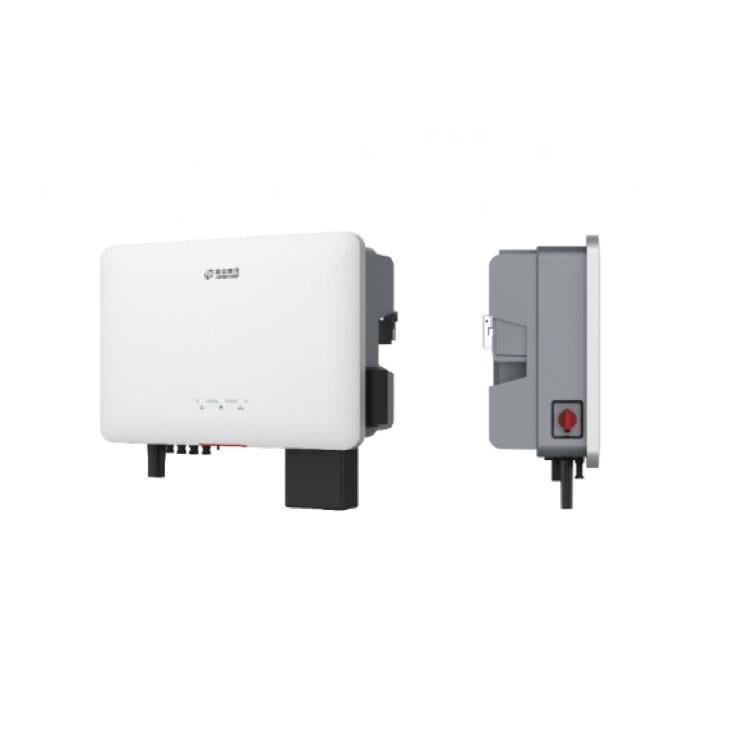
Building effective renewable energy monitoring systems requires far more than basic sensor data collection. Modern energy operators need platforms that integrate real-time performance tracking, predictive analytics, historical trend analysis, and fault detection into one cohesive intelligence layer. This integration enables faster decision-making, reduces operational burden, and unlocks revenue growth through improved asset utilization. The distinction between merely adequate data infrastructure and truly transformative capabilities can result in performance gains of 5 to 15 percent annually.
Real-Time Data Integration and Performance Visibility
Collecting and Processing Live Operational Data
Renewable energy monitoring systems must capture multiple data streams simultaneously from inverters, meters, weather stations, and grid interfaces. The challenge extends beyond simple data collection; your platform must process this information in real-time, validate accuracy, and present actionable insights within seconds rather than hours. Distributed solar power integration across multiple sites compounds this complexity. When you operate a network of photovoltaic installations spanning different geographic regions, synchronizing data collection and maintaining consistent quality standards becomes critical to overall performance visibility.
Real-time visibility reveals operational anomalies the moment they occur. A sudden drop in inverter output, unexpected temperature fluctuations, or grid frequency deviations can be detected and addressed immediately rather than discovered through end-of-day reports. This capability directly impacts energy yield, equipment longevity, and grid stability compliance. Organizations using advanced real-time data capabilities report faster issue resolution and reduced revenue loss from unplanned downtime.
Standardizing Data Formats Across Heterogeneous Systems
Most solar deployments involve equipment from multiple manufacturers, each generating data in proprietary formats. Grid-connected photovoltaic management solutions must normalize these disparate data streams into standardized formats that enable cross-platform analysis and historical comparison. Without this standardization layer, your renewable energy monitoring systems become fragmented silos incapable of delivering enterprise-level intelligence. Effective data normalization allows your solar new energy generation platforms to treat all assets as a unified portfolio rather than isolated installations.
Predictive Analytics and Maintenance Intelligence
Forecasting Performance Degradation Before Equipment Failure
The most valuable data capability in modern distributed solar power integration is predictive maintenance powered by machine learning models. These systems analyze historical performance patterns, environmental conditions, and equipment age to forecast degradation trajectories and failure probabilities. Rather than waiting for equipment to fail and interrupt service, predictive analytics enables proactive maintenance scheduling. Your renewable energy monitoring systems can recommend optimal maintenance windows when grid demand permits temporary shutdown without revenue impact.
Predictive capabilities extend to performance forecasting as well. By correlating weather patterns, seasonal trends, and historical yield data, grid-connected photovoltaic management solutions can estimate expected generation volumes with high accuracy. This precision enables better energy trading decisions, battery charging optimization, and grid commitment planning. Organizations implementing predictive analytics typically see 8 to 12 percent improvement in preventive maintenance effectiveness.
Enabling Condition-Based Maintenance Strategies
Condition-based maintenance represents a dramatic improvement over fixed-schedule approaches. Rather than replacing components on predefined intervals, your solar new energy generation platforms monitor actual equipment condition metrics and trigger maintenance only when needed. This approach reduces unnecessary downtime, extends asset lifespan, and minimizes maintenance costs significantly. Your renewable energy monitoring systems become the intelligence layer that transforms maintenance from a necessary expense into a strategic competitive advantage.
Advanced Analytics and Revenue Optimization
Analyzing Historical Trends and Identifying Optimization Opportunities
Comprehensive historical data repositories enable powerful trend analysis that reveals performance patterns invisible in daily operations. By examining years of historical data, distributed solar power integration platforms can identify seasonal performance variations, equipment degradation patterns, and operational anomalies. This analytical capability supports continuous improvement initiatives and guides capital investment decisions for system upgrades or expansions. Your grid-connected photovoltaic management solutions can benchmark performance against industry standards and competitor benchmarks.
Historical analytics also supports root cause analysis when performance deviations occur. Rather than making reactive adjustments, data-driven analysis reveals the underlying factors driving performance variance. Perhaps suboptimal inverter settings are limiting efficiency, or vegetation growth near specific array sections causes shade during afternoon hours. These insights drive targeted interventions that yield measurable improvements in energy production and revenue.
Optimizing Energy Dispatch and Grid Services Revenue
Modern renewable energy monitoring systems integrate market intelligence with generation forecasts to optimize energy dispatch timing and grid services participation. By predicting generation availability and analyzing electricity prices across different hours and markets, your solar new energy generation platforms can recommend optimal discharge timing for battery-coupled systems or grid service bidding strategies. This capability transforms solar installations from passive generation assets into active market participants capable of capturing additional revenue streams through frequency support, voltage regulation, and demand response services.
FAQ
What specific data points should solar new energy generation platforms prioritize for monitoring?
Priority data points include real-time power output, inverter efficiency metrics, module temperature, irradiance levels, ambient temperature, string voltage and current, grid frequency and voltage, fault codes, and equipment runtime hours. Renewable energy monitoring systems should also capture weather forecasts, historical generation baselines, and maintenance event logs. The exact data priorities depend on your specific operational context and business objectives, but these core metrics enable effective performance visibility and optimization.
How does distributed solar power integration differ from centralized generation in data requirements?
Distributed installations introduce significant data complexity because grid-connected photovoltaic management solutions must aggregate, synchronize, and analyze data from numerous geographically dispersed sites operating independently. Centralized systems generate data from a single location, while distributed networks require robust data connectivity, cloud-based aggregation architecture, and sophisticated reconciliation logic to handle communication delays and temporary outages. Your renewable energy monitoring systems must maintain operational visibility even when individual site connections experience disruptions.
Can renewable energy monitoring systems integrate with existing utility infrastructure and legacy systems?
Yes, modern solar new energy generation platforms typically support standard industry protocols and integration frameworks that enable seamless connectivity with utility SCADA systems, energy management software, and legacy operational technology infrastructure. Grid-connected photovoltaic management solutions must provide data export capabilities, API interfaces, and middleware translation layers that bridge proprietary formats. Successful integration requires careful planning, but the business value of unified visibility justifies the implementation effort required.
Table of Contents
- Real-Time Data Integration and Performance Visibility
- Predictive Analytics and Maintenance Intelligence
- Advanced Analytics and Revenue Optimization
-
FAQ
- What specific data points should solar new energy generation platforms prioritize for monitoring?
- How does distributed solar power integration differ from centralized generation in data requirements?
- Can renewable energy monitoring systems integrate with existing utility infrastructure and legacy systems?