EN
EN


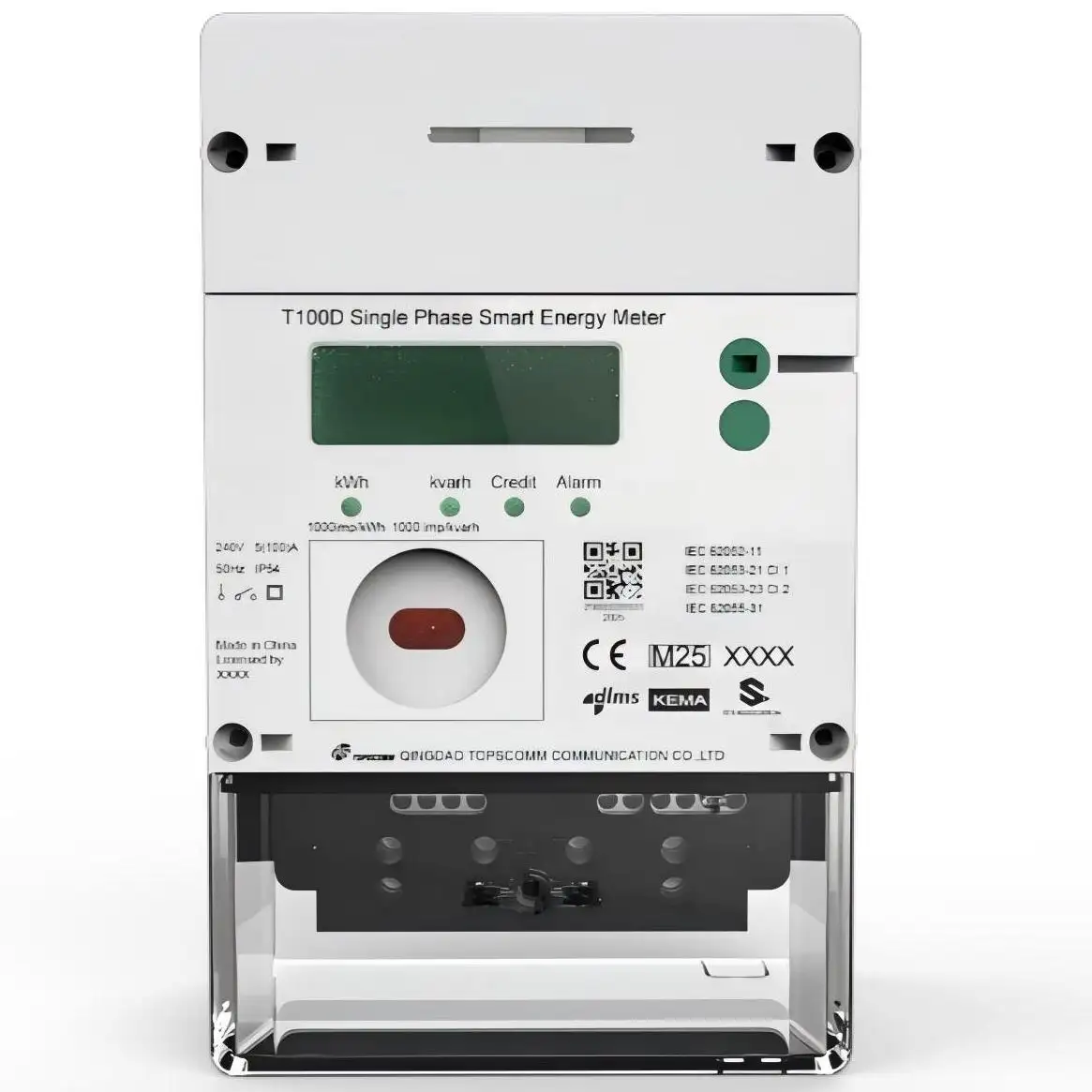
Clean energy projects demand sophisticated infrastructure to maximize efficiency, reliability, and return on investment. Solar new energy generation platforms have become indispensable tools that enable organizations to harness solar power effectively while managing complex operational challenges. These platforms provide the technological backbone required to monitor, control, and optimize solar installations at scale, ensuring that renewable energy sources perform at peak capacity.
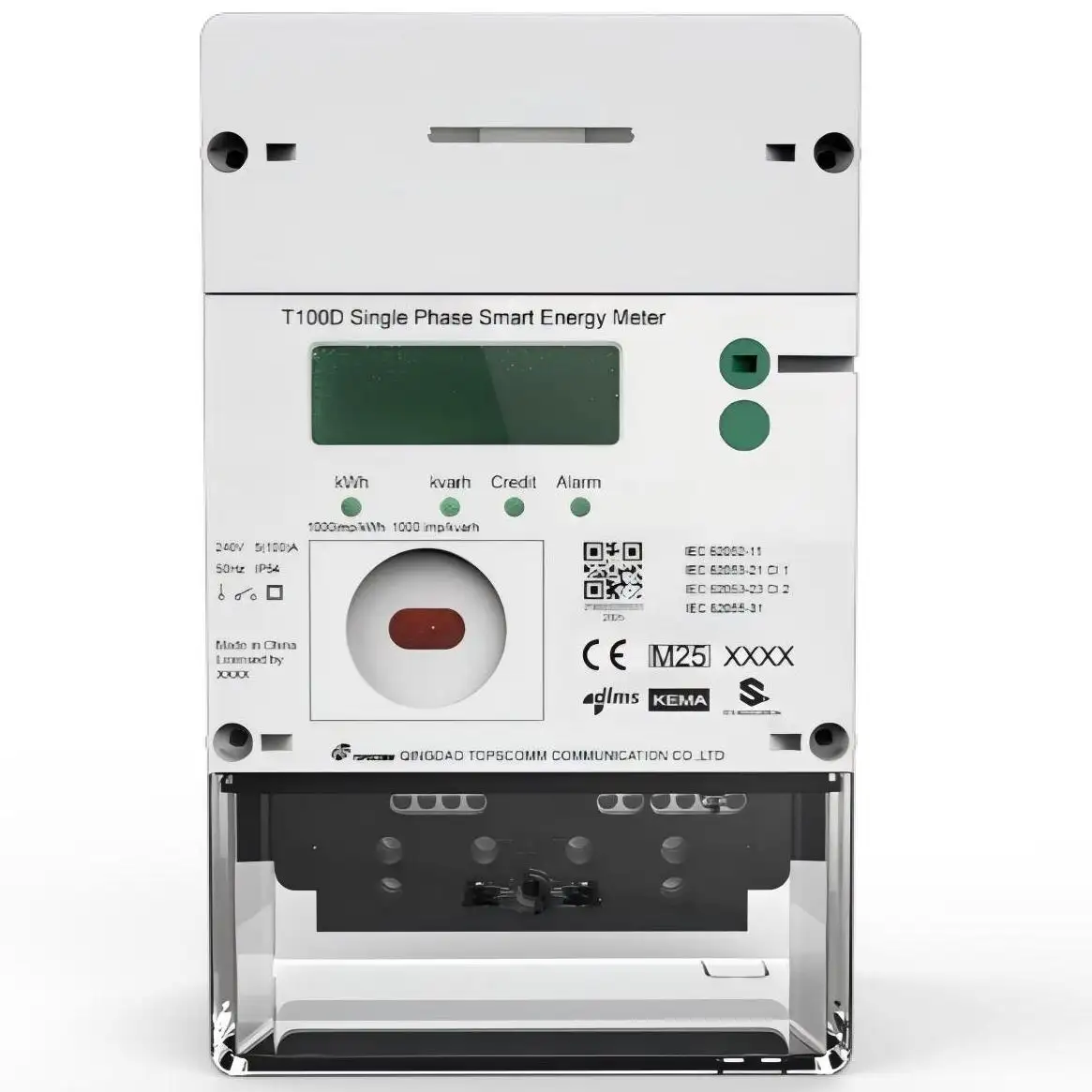
The importance of these systems extends beyond simple energy production tracking. Solar new energy generation platforms serve as comprehensive command centers that integrate renewable energy monitoring systems, advanced analytics, and real-time decision support. Organizations implementing these solutions gain immediate visibility into system performance, can identify issues before they escalate, and maintain regulatory compliance across multiple sites. For project developers, utilities, and industrial operators, the difference between successful clean energy deployment and underperforming installations often comes down to the quality of the solar power plant management software in use.
Operational Efficiency and Performance Optimization
Real-Time System Monitoring and Control
Solar new energy generation platforms enable continuous monitoring of every component within a solar installation. Renewable energy monitoring systems track inverter performance, panel output, temperature variations, and grid connection status simultaneously across distributed locations. This real-time visibility allows operators to identify performance degradation, equipment malfunctions, or environmental factors affecting output instantly rather than discovering problems through decreased revenue months later. Solar power plant management software automates routine checks and alerts teams to anomalies, reducing response time and minimizing energy loss.
Predictive Maintenance and Downtime Reduction
Historical data accumulated through renewable energy monitoring systems enables predictive maintenance strategies that extend equipment lifespan and prevent costly failures. By analyzing performance trends, temperature patterns, and operational stress indicators, solar power plant management software can forecast when components will require service before they fail. This proactive approach reduces unscheduled downtime, eliminates emergency repair costs, and ensures consistent energy production. Distributed solar energy integration solutions further enhance this capability by providing cross-site pattern recognition that reveals systemic issues affecting multiple installations.
Financial Performance and Revenue Protection
Maximizing Energy Yield and Revenue Generation
Solar new energy generation platforms directly impact financial returns by optimizing energy yield at every operational level. Renewable energy monitoring systems track performance against weather-adjusted benchmarks, ensuring that each installation operates within expected parameters. When solar power plant management software identifies underperforming assets, technicians can address issues before revenue losses accumulate significantly. Distributed solar energy integration solutions provide benchmarking across similar installations, revealing best practices that can be applied across entire portfolios to increase overall energy production and profitability.
Compliance, Reporting, and Grid Integration
Regulatory frameworks governing clean energy projects require detailed documentation of energy production, equipment certifications, and grid connection status. Solar new energy generation platforms automate compliance reporting, generating regulatory-approved documentation and audit trails that demonstrate project adherence to standards. Renewable energy monitoring systems provide the granular data required for interconnection agreements and energy trading operations. Solar power plant management software simplifies the complexity of managing multiple regulatory jurisdictions, energy markets, and grid operators simultaneously, reducing administrative burden and legal exposure.
Strategic Scalability and Multi-Site Management
Unified Platform Architecture for Portfolio Growth
Organizations expanding their renewable energy portfolios require infrastructure that scales efficiently without proportional increases in operational complexity. Solar new energy generation platforms consolidate control and monitoring across dozens or hundreds of installations into a single, unified interface. Renewable energy monitoring systems provide standardized data collection across diverse equipment types and geographic locations, enabling centralized decision-making. Distributed solar energy integration solutions allow portfolio managers to balance load across sites, optimize energy distribution to grid connections, and maintain operational consistency regardless of portfolio size or complexity.
Data Integration and Advanced Analytics
Modern solar power plant management software integrates data from weather services, grid operators, market price signals, and equipment sensors to enable sophisticated analytics and optimization strategies. These integrated datasets reveal correlations between weather patterns, energy production, market conditions, and financial outcomes that manual analysis cannot uncover. Solar new energy generation platforms utilize machine learning algorithms to continuously improve forecasting accuracy, optimize battery storage operation when applicable, and adapt control strategies to changing conditions. Renewable energy monitoring systems provide the foundation data quality required for these advanced analytics to deliver reliable, actionable insights that drive operational excellence.
FAQ
What specific functions do solar new energy generation platforms provide?
Solar new energy generation platforms combine renewable energy monitoring systems, solar power plant management software, and distributed solar energy integration solutions into unified systems. These platforms monitor real-time performance data, control inverters and equipment, optimize energy dispatch, manage grid connections, generate compliance reports, enable predictive maintenance, and provide analytics dashboards. Organizations use these platforms to track key performance indicators, receive automated alerts for anomalies, and access historical data for trend analysis and forecasting.
How do renewable energy monitoring systems improve project outcomes?
Renewable energy monitoring systems track every aspect of solar installation performance, from individual panel output to inverter efficiency and grid connection status. By providing real-time visibility and historical trend analysis, these systems enable faster issue identification, predictive maintenance planning, and performance optimization. Solar power plant management software uses monitoring data to identify underperforming assets, validate energy production against projections, and optimize operational parameters. This continuous feedback loop ensures installations consistently operate at peak efficiency and generate projected financial returns.
Why are distributed solar energy integration solutions important for portfolio management?
Distributed solar energy integration solutions enable centralized oversight and coordination of multiple solar installations across geographic locations. Solar new energy generation platforms using these solutions provide unified monitoring, standardized data collection, and cross-site analytics that reveal portfolio-wide patterns. Solar power plant management software can optimize energy dispatch across sites, balance grid impact, and identify best practices from high-performing installations that apply to underperforming assets. For organizations managing portfolios of renewable energy investments, these capabilities reduce operational complexity while improving overall financial performance and regulatory compliance.