EN
EN



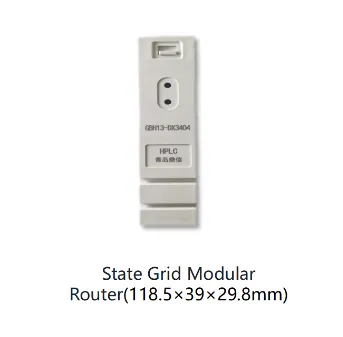
Firmware updates are critical maintenance operations that field technicians must perform regularly to keep industrial systems running smoothly. When updating a plc module for dcu across a widespread deployment, safety and precision become paramount. Data collection unit integration requires meticulous planning, as improper firmware updates can disrupt data collection, compromise system integrity, and create costly downtime across your entire network. This guide walks through the essential steps and best practices for executing safe firmware updates in real-world industrial environments.
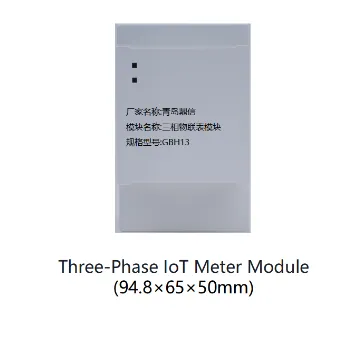
Field technicians working with programmable logic controller hardware compatibility must understand that firmware updates are not one-size-fits-all operations. Every PLC module carries specific firmware versions, compatibility constraints, and update dependencies that vary across your infrastructure. Before any update begins, technicians need to validate that the targeted hardware revision supports the new firmware build, review release notes for breaking changes, and confirm that data collection unit integration points remain stable. Taking time upfront prevents failed deployments and protects your industrial automation communication protocols from unexpected behavior.
Pre-Update Planning and Risk Assessment
Verify Hardware and Compatibility Requirements
Checking programmable logic controller hardware compatibility is the first critical step. Each PLC module model has specific firmware release requirements, memory constraints, and processor specifications. Your technicians should cross-reference the target firmware version against the actual hardware revision installed in the field. Mismatches between firmware and hardware can result in installation failures, boot loops, or data corruption. Document the current firmware version, hardware serial number, and any custom configurations before beginning any update process.
Create a Rollback Plan
A solid rollback strategy protects your data collection unit integration from unexpected failures. Store the existing firmware binary on secure, accessible storage before updating any unit in the field. Test your rollback procedure in a lab environment with matching hardware to confirm it works reliably. Technicians should also document the exact steps needed to restore the previous firmware state, including any manual configuration resets or network reconfiguration that may be required after a rollback occurs.
Safe Deployment Methodology for PLC Module Updates
Stage Updates Across Zones and Shift Schedules
Deploying updates to all PLC modules simultaneously across a widespread installation creates unacceptable risk. Instead, segment your deployment into logical zones, geographic regions, or production shifts. Update a small pilot group of units first, monitor them for 24 to 48 hours, and validate that data collection unit integration continues without anomalies. Only after confirming stable operation should you proceed to the next deployment wave. This staged approach limits the blast radius if an issue emerges and gives technicians time to diagnose and resolve problems before they spread across your entire network.
Isolate Units During Firmware Transfer
When updating a programmable logic controller hardware unit, network isolation prevents accidental collisions and communication interruptions. Disconnect the target PLC module from the industrial automation communication protocols temporarily, or at minimum, ensure no active data collection requests are being routed through it during the firmware transfer. Use a direct serial or USB connection when possible to establish a stable, interference-free channel for the firmware binary. Verify the connection speed and data integrity checksums before initiating the transfer to catch corruption issues early.
Post-Update Verification and Monitoring
Validate Data Collection Unit Integration Stability
After each update completes, technicians must verify that the PLC module for dcu operations return to normal baseline performance. Run diagnostics to confirm memory integrity, check system logs for errors, and verify that all data collection unit integration points are reporting data correctly. Query the module's internal status registers and confirm timestamps, counter values, and communication stats align with expectations. This validation step catches silent failures that might go unnoticed if you skip directly to the next unit.
Monitor Industrial Automation Communication Protocols
Industrial automation communication protocols depend on consistent timing, message formatting, and network behavior. After a firmware update, confirm that Modbus, Profibus, EtherCAT, or whatever protocol your system uses continues to function without latency spikes or packet loss. Run protocol analyzers to capture traffic patterns and compare them against baseline metrics collected before the update. Any deviation in message response times, cyclic redundancy check failures, or gateway communication timeouts may indicate firmware issues that require immediate attention before moving to the next deployment phase.
FAQ
What should technicians do if a firmware update fails mid-transfer?
If a firmware transfer fails, do not power cycle the PLC module immediately. First, check the error message and connection status. Most modern PLC modules have recovery modes that allow re-attempting the transfer. If the module remains unresponsive, invoke your tested rollback procedure to restore the previous firmware version. Only after successful rollback should you power-cycle and attempt the update again. Keep detailed logs of all failure events to help identify whether the issue is hardware-related or firmware-specific.
How do you ensure data collection unit integration remains uninterrupted during updates?
Prioritize staged, zone-based updates that minimize concurrent module downtime. Use redundant data paths or failover gateways so that if one PLC module for dcu is offline, alternate collection units continue receiving data. Schedule updates during low-traffic periods when data collection demand is reduced. Notify downstream systems and dashboards that brief service windows are occurring so operators do not interpret missing data as system failures. Test your failover logic before executing any real update to confirm alternate routes function as designed.
What happens if programmable logic controller hardware compatibility issues arise after update?
If you discover compatibility issues after a firmware update, revert to the previous firmware version using your documented rollback procedure. Contact the equipment manufacturer's technical support team with detailed hardware revision, firmware version, and error log data. Document the incompatibility pattern so your team can plan firmware skips or delayed updates for affected device models in future cycles. Never attempt to apply patches or workarounds to incompatible firmware versions without explicit vendor guidance, as this may compromise system safety and data integrity.