EN
EN



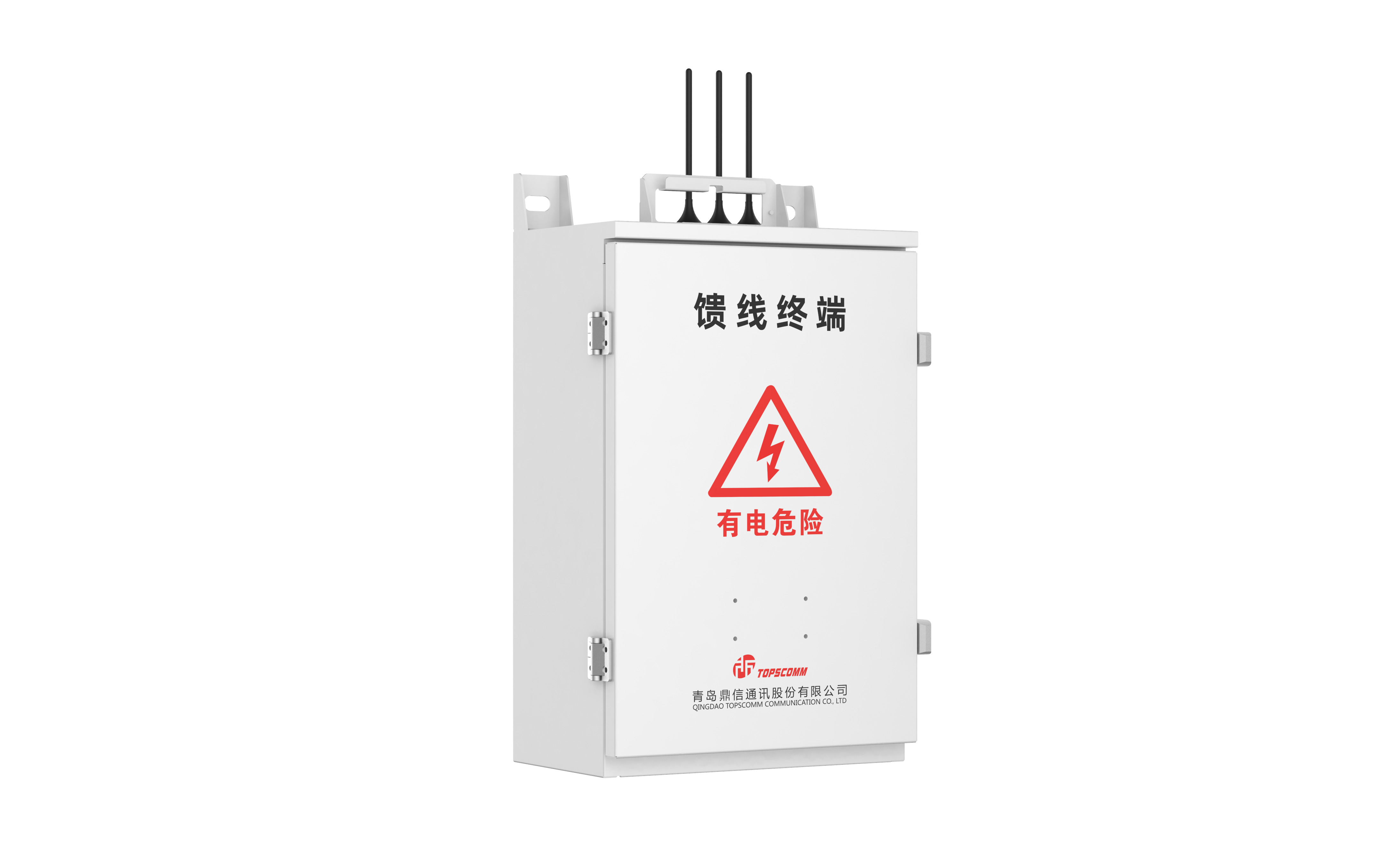
An advanced mdms smart grid architecture represents a fundamental shift in how utilities manage energy distribution and respond to evolving consumer demands. The integration of electric vehicle charging infrastructure into existing power networks requires unprecedented coordination between centralized planning systems and distributed edge assets. Traditional meter data management systems operated in one direction: utilities collected consumption data for billing and basic analysis. Modern implementations demand real-time bidirectional communication, intelligent load balancing, and instantaneous response to grid conditions. This transformation enables utilities to support high-volume EV charging while maintaining grid stability and optimizing energy distribution across all connected devices.
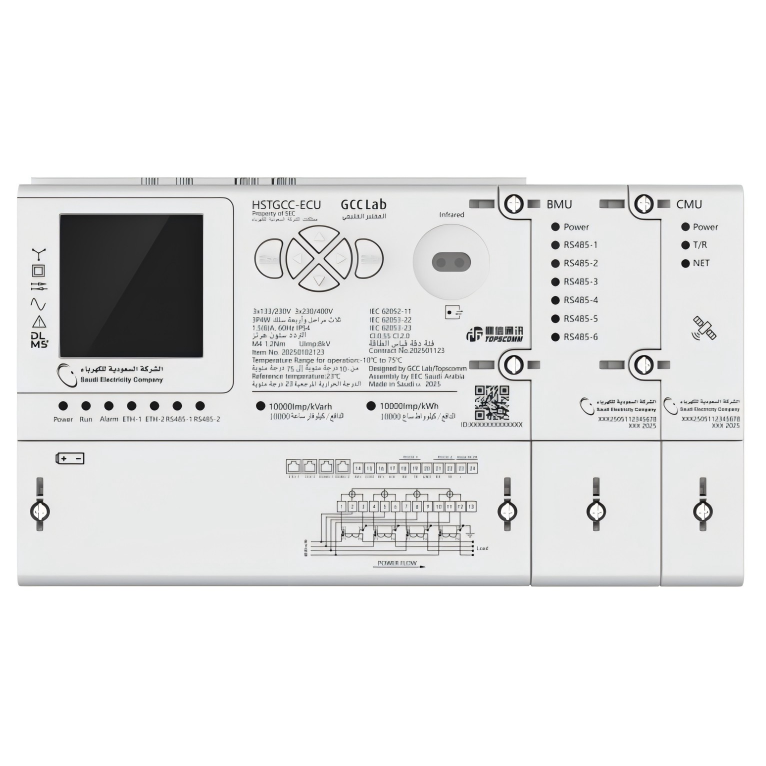
The meter data management system benefits extend far beyond simple consumption tracking. When properly architected, these systems provide real-time energy consumption monitoring capabilities that allow operators to understand grid dynamics at millisecond intervals. Smart grid distribution automation functionality embedded within a comprehensive MDMS enables autonomous decision-making at substations and distribution points, reducing latency and improving response times to demand fluctuations. Two-way EV charging introduces complex variables: charging vehicles draw significant power, they connect unpredictably, and they can store energy for grid support. An integrated MDMS architecture orchestrates all these elements through coordinated communication, demand forecasting, and adaptive load management.
Core Architecture Components Supporting Bidirectional EV Charging
Centralized Data Management and Analytics
The foundation of an effective MDMS smart grid system rests on robust data collection and processing infrastructure. Real-time energy consumption monitoring from millions of meters, charging stations, and distributed resources generates enormous data volumes that demand immediate analysis. Advanced meter data management system benefits emerge when this data flows into analytics engines capable of identifying patterns, predicting demand peaks, and calculating optimal load distribution. The system must ingest data from traditional smart meters, EV charging equipment, solar installations, battery storage systems, and demand response devices simultaneously. This unified data stream enables utilities to make informed decisions about when and where to route charging sessions, preventing transformer overloads and optimizing utilization of renewable energy generation.
Smart Grid Distribution Automation at Scale
Smart grid distribution automation capabilities integrated into an mdms smart grid architecture empower field devices to respond autonomously to localized grid conditions. When a charging cluster attempts to draw excessive current in a specific distribution zone, automation algorithms can delay non-critical charging sessions, increase pricing incentives to spread demand across time, or activate demand response resources. These decisions occur automatically without waiting for central command, dramatically improving response speed. The system maintains safety constraints by enforcing voltage stability, preventing reverse power flow into unsafe conditions, and respecting thermal limits on distribution equipment. Real-time energy consumption monitoring provides continuous feedback, enabling the automation layer to adjust strategies and learn from operational patterns.
Integration of Two-Way EV Charging with Grid Operations
Managed Charging and Vehicle-to-Grid Coordination
Advanced MDMS architectures extend beyond managing consumption to actively leveraging connected vehicles as flexible resources. When EV owners enroll in managed charging programs, the system coordinates charge timing with grid conditions, renewable generation forecasts, and wholesale electricity prices. Vehicle-to-grid functionality allows parked vehicles to discharge energy back into the distribution network during peak demand periods, creating distributed storage capacity. The meter data management system benefits in this scenario become particularly pronounced: the MDMS tracks which vehicles are available, their battery states, their physical location within the grid topology, and contractual availability windows. Smart grid distribution automation uses this information to calculate optimal discharge timing and magnitude, ensuring individual vehicle reliability while maximizing grid support.
Communication Protocols and Real-Time Synchronization
Supporting two-way EV charging requires communication standards that guarantee low-latency, high-reliability message delivery. An mdms smart grid architecture must incorporate protocols enabling simultaneous management of thousands of charging events across diverse device types and manufacturers. Real-time energy consumption monitoring demands sub-second data updates from charging stations to the central MDMS, allowing the system to detect anomalies and respond to changing conditions. The architecture typically implements redundant communication pathways, local edge computing nodes that operate autonomously if central connectivity fails, and encrypted data streams protecting sensitive load information. These technical foundations ensure that charging coordination functions reliably across weather events, equipment failures, and peak demand scenarios where communication bandwidth reaches maximum capacity.
Operational and Strategic Benefits for Utility Performance
Grid Stability and Load Management Optimization
When utilities implement comprehensive meter data management system benefits through advanced MDMS architectures, grid stability improves measurably. Real-time energy consumption monitoring enables operators to detect emerging imbalances before they escalate into outages, coordinate demand response resources, and activate backup generation only when necessary. Smart grid distribution automation reduces peak demand by spreading EV charging across optimal time windows, which lowers infrastructure investment requirements for new transmission and distribution equipment. The system quantifies savings by comparing actual grid stress levels against historical patterns, demonstrating how coordinated charging prevents transformer overloads and extends asset lifespan. Utilities report reduced frequency of voltage violations, faster frequency recovery after disturbances, and improved overall system efficiency when operating under MDMS control with full integration of distributed energy resources and EV charging.
Data-Driven Decision Making and Forecasting
An advanced mdms smart grid system generates actionable insights through sophisticated analytics applied to accumulated consumption data and operational events. Utilities gain visibility into consumption patterns by neighborhood, building type, customer segment, and time-of-week, enabling targeted efficiency programs and pricing strategies that encourage beneficial behaviors. Real-time energy consumption monitoring combined with machine learning algorithms predicts demand peaks hours in advance, allowing operators to pre-position resources and prepare automation responses. Smart grid distribution automation becomes more effective when informed by these predictive insights, adjusting parameters proactively rather than reactively. The meter data management system benefits also extend to non-technical operations: utilities can identify equipment failures before catastrophic breakdowns, optimize maintenance scheduling, and calculate infrastructure investment priorities based on actual stress patterns rather than engineering assumptions.
FAQ
How does an mdms smart grid handle charging requests during peak demand periods?
An advanced MDMS uses real-time energy consumption monitoring to detect approaching peak conditions and implements smart grid distribution automation protocols that coordinate charging events. The system can defer non-urgent charging to off-peak hours through time-based pricing signals, activate demand response resources to reduce consumption elsewhere, or enable vehicle-to-grid discharge from available connected vehicles. Meter data management system benefits shine in this scenario through intelligent algorithms that balance individual EV owner preferences against grid needs, often enabling financial incentives that encourage voluntary participation. By distributing EV charging loads across available time windows rather than allowing all vehicles to charge simultaneously, utilities reduce peak demand and avoid costly infrastructure upgrades.
What meter data management system benefits do utilities gain from integrating two-way EV charging?
Integrating two-way EV charging through an MDMS creates multiple operational and financial advantages. Real-time energy consumption monitoring provides granular visibility into distributed generation and storage resources, enabling utilities to optimize dispatch and reduce reliance on expensive peaking units. Smart grid distribution automation allows localized response to faults and disturbances without central coordination, improving reliability and reducing outage duration. The meter data management system benefits also include reduced capital requirements for transmission and distribution upgrades, improved power factor and voltage regulation, and the ability to defer or eliminate costly infrastructure investments. Additionally, utilities can offer valuable services to EV owners through optimized charging timing, lower electricity costs, and grid support compensation, creating new revenue opportunities and improving customer satisfaction.
Why is real-time energy consumption monitoring critical for EV charging coordination?
Real-time energy consumption monitoring enables an mdms smart grid to respond immediately to changing conditions and coordinate distributed resources within seconds. EV charging loads are dynamic and unpredictable at individual connection points, requiring continuous measurement and rapid adjustment decisions to prevent overloads and voltage violations. The meter data management system benefits from real-time data through enhanced forecasting accuracy, faster detection of abnormal situations, and ability to validate that smart grid distribution automation systems are performing as designed. Without continuous monitoring, utilities cannot know whether their planned coordination strategy is actually working or whether individual charging events are causing unexpected grid stress. Real-time visibility transforms EV charging from a potential reliability threat into a managed resource that can strengthen grid operations.